
Cards Collection · Game Guide
Coin Toss: A Clear Guide to the Game | phdream16
Coin Toss is a cards-category title in the phdream16 lobby, presented for quick decisions around a simple coin-flip idea. Before choosing an action, check the live rules and displayed cost; no listing or past result can predict the next outcome.
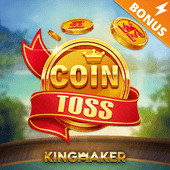
Quick answer: learn the controls and the terms shown in the current game, then decide whether its pace and cost fit a limit you already set. A Coin Toss Demo, if available, is for learning the interface—not for forecasting paid results.
More from the Cards Shelf
Other quick card and table picks
Explore a nearby cards title if you want a different presentation. Each game has its own instructions; do not assume rules or costs carry over from Coin Toss.
How a Round Works
What to check before a Coin Toss decision
Start with the rule panel, not a guess. The title and category alone do not confirm the exact round sequence, available choices, stake range, or settlement details. Read the active version’s instructions and make sure each control is clear before proceeding.
- Confirm the selection.Check that the game screen identifies Coin Toss and that you have opened the intended mode. A thumbnail is a locator, not a live rules screen.
- Find the action and its cost.Look for the displayed amount, any minimum or maximum, and the confirmation step. If the cost is not clear, pause instead of tapping through.
- Understand the result display.Read how the game describes a resolved round and any credited amount. Do not infer settlement from a coin image or a similar title.
- Set an exit point first.Choose a short time boundary and a fixed entertainment budget before making a decision. Stop when either limit is reached.
The familiar flip concept can make Coin Toss look self-explanatory, but a simple theme does not replace the game’s rules. Confirm how the current interface handles a selection, when it locks, how it reports a result, and what happens if you leave a round. Those details can matter more than the animation.
Keep each decision independent in your thinking. A run of one result does not make its opposite “due,” and a previous win is not evidence that the next choice is safer. No pattern, timing routine, or progression can guarantee a favorable outcome in a chance-based game.
Theme & Session Feel
A compact format with a familiar visual cue
The coin-flip idea is easy to recognize: a small choice, a reveal, and a displayed outcome. That visual shorthand can make the game feel brisk, so use the pause before confirmation to read the amount and make a deliberate choice rather than reacting to the animation.
The listing artwork is useful for finding Coin Toss among the card titles, but it does not establish the live screen layout or prove a particular feature. Once in the game, rely on the current instructions for controls and round information. If the interface differs from what you expected, stop and re-check the title and help panel.
A Coin Toss Demo, where offered, may be useful for locating buttons or understanding navigation. It cannot demonstrate what a later paid session will return, and a favorable practice sequence should not change a real-money limit. If demo availability or terms are unclear, treat them as unknown until the game explains them.
For a calmer session, pick a specific stopping time before you begin and keep the game closed when that time arrives. Avoid playing while distracted, upset, or trying to recover a previous loss. A quick-round presentation is not a reason to make more decisions than you intended.
Reading Return Information
How to interpret Coin Toss RTP information
RTP is a long-run statistical concept, not a promise about an individual round. If the current game provides a return percentage, read its stated scope and conditions in the information panel. Do not assume an exact figure from the title, a promotional message, or another game’s listing.
A theoretical return describes an aggregate expectation over a large number of plays under stated assumptions. It cannot tell you what will happen in a short visit, and it does not mean that a fixed share of your own stake comes back. Actual results vary, and any stated figure should be understood alongside the applicable rules and version.
Use the Phdream16 Casino overview to navigate the wider lobby and its information areas; verify the details shown for the specific title you choose. A bonus, including a phdream16 free bonus offer, is separate from a game’s return information and may carry eligibility, expiry, or play-through conditions. Review those terms before accepting an offer.
Common Questions
Coin Toss questions, answered plainly
Is Coin Toss based on a guaranteed 50/50 result?
Do not infer the odds from the familiar idea of a coin flip. Check the active game rules for how selections, outcomes, and any displayed probabilities are defined. If that information is not provided, the exact mechanics are not established by the title alone.
Can a Coin Toss Demo predict a paid round?
No. A Coin Toss Demo, if available, can help with interface familiarity only. Its outcomes do not predict future paid play, prove a pattern, or justify increasing a budget.
Where should I check the current rules and cost?
Open the game’s information panel and review its current instructions before making a selection. Confirm the amount shown at the point of action, and do not continue if a term or control is unclear.
Does a recent result change the next outcome?
A past result is not a reliable forecast of the next one. Treat each outcome as uncertain and avoid systems that rely on streaks, “due” results, or recovering losses.
What should I do if the screen or payment prompt looks unfamiliar?
Pause, confirm you are viewing the intended title, and use a trusted support or account channel to verify the information. Do not share a password, payment PIN, or one-time code in chat or with an unsolicited contact.
Player Perspective
What to assess during a first visit
Rather than relying on an unsupported review score, judge the experience by the details you can verify yourself: are the rules easy to find, are the controls labeled clearly, and can you see the cost before confirming an action? If any answer is no, delay play until you understand the screen.
Consider pace and readability as well. A short reveal can still encourage repeated choices, so leave room to pause between rounds. On a phone, make sure the text and buttons are legible and that you can leave the game without losing track of your personal limit. Never interpret a quick interface as pressure to continue.
People who prefer a different step-by-step format may look at Jackpot Jump as another title guide. Compare only what each game’s own rules disclose; the separate guide is not evidence that mechanics, odds, or outcomes are shared.
Promotional language and player anecdotes describe impressions, not a dependable outcome. A welcome message or phdream16 free bonus may have restrictions and should not be counted as cash income. Read the complete conditions, and decline an offer if it would push you beyond your planned time or spending boundary.
A Balanced Choice
Where Coin Toss may fit—and where it has limits
Coin Toss may appeal to visitors looking for a familiar, compact concept. Its short-form presentation can make the title easy to locate and explore, but convenience is not the same as low risk. The actual pace, controls, and terms must be checked in the current game.
If you need help with account access before exploring the title, the Phdream16 App guide covers app and login help. For a phdream16 login, use only the trusted route you already recognize; never enter credentials after following an unexpected message or pop-up.
Keep the session optional and affordable. Do not borrow, use money reserved for essential needs, or raise a limit to chase a loss. If play stops feeling enjoyable or starts affecting your wellbeing, step away and seek support from someone you trust or an appropriate local service.